

Regenerative Tourism in BCS: A New Direction for Travel in 2026
Baja California Sur is taking an important step toward a more responsible tourism model. On May 26, 2026, the state Congress approved reforms to the Tourism Law that officially recognize community tourism and regenerative tourism as distinct modalities.
The reforms reflect a growing vision for tourism in which protecting natural resources, strengthening local communities, and creating meaningful travel experiences go hand in hand.
What Is Regenerative Tourism?
Regenerative tourism goes beyond minimizing the environmental impact of travel. It seeks to generate positive benefits through ecosystem restoration, revitalization of local communities and promotion of sustainable practices. This modality proposes a contemporary vision in which the public, private and social sectors participate in a coordinated way to strengthen the resilience of destinations.
Community Tourism: Putting Local Communities First
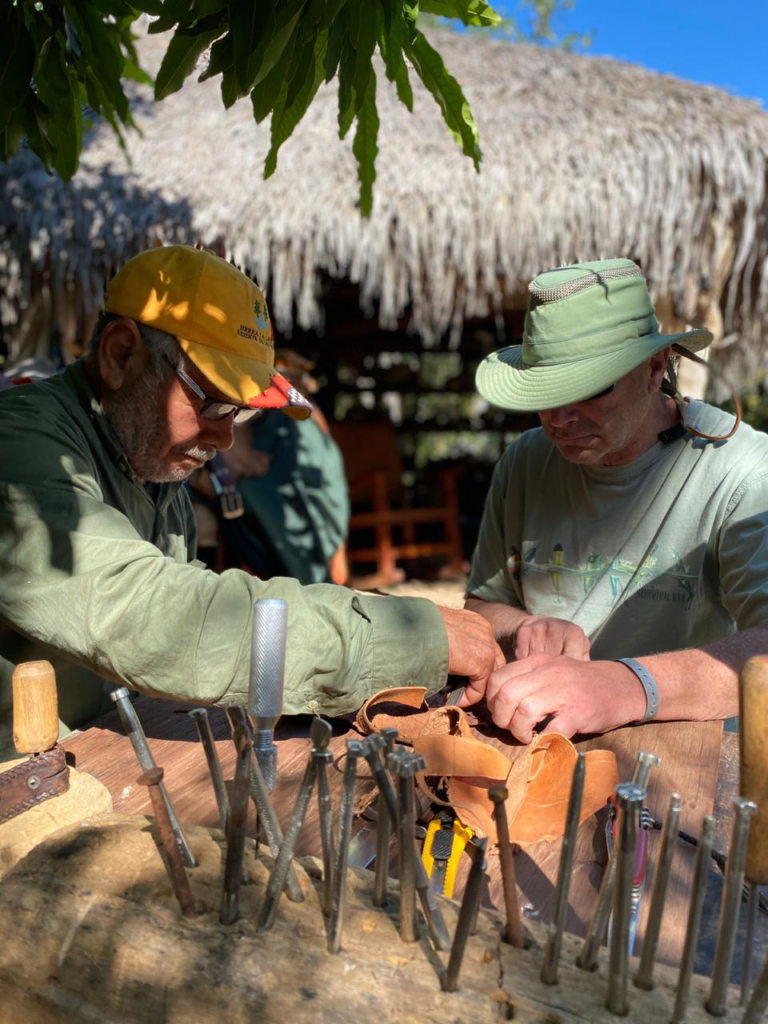
The reforms recognize community tourism as an autonomous modality, managed collectively by organized communities, Indigenous peoples or agrarian nuclei. Host communities will participate directly in planning, decision-making, operation and equitable distribution of tourism benefits.
This recognition creates opportunities for communities to share their traditions, knowledge, landscapes, and cultural heritage while having a greater role in shaping tourism in their own territories.
How Can Travelers Participate?
Visitors can contribute to a more responsible tourism model through thoughtful choices and meaningful experiences.
Choose locally owned businesses: Book tours, purchase products and enjoy services that contribute directly to the local economy.
Respect natural areas: Follow visitor guidelines when exploring beaches, protected areas, marine reserves and desert landscapes.
Participate in conservation activities: Look for verified opportunities to support beach cleanups, habitat restoration or environmental education.
Travel with awareness: Respect wildlife, minimize waste, conserve water and learn about the natural and cultural heritage of each destination.
Regenerative Tourism: Places and Initiatives to Explore
Baja California Sur is home to remarkable natural environments and conservation initiatives that offer opportunities to connect tourism with environmental protection.
Cabo Pulmo National Park
Cabo Pulmo is widely recognized for its marine conservation efforts and the recovery of its coral reef ecosystem. Its community-based conservation history offers an important example of how local involvement and long-term environmental protection can coexist with tourism.
Espíritu Santo Island
Located near La Paz, Espíritu Santo Island is part of a protected natural area known for its rich marine biodiversity. Responsible wildlife watching, guided kayaking, and low-impact exploration help visitors appreciate the importance of conserving this unique environment.
Loreto and Mulegé
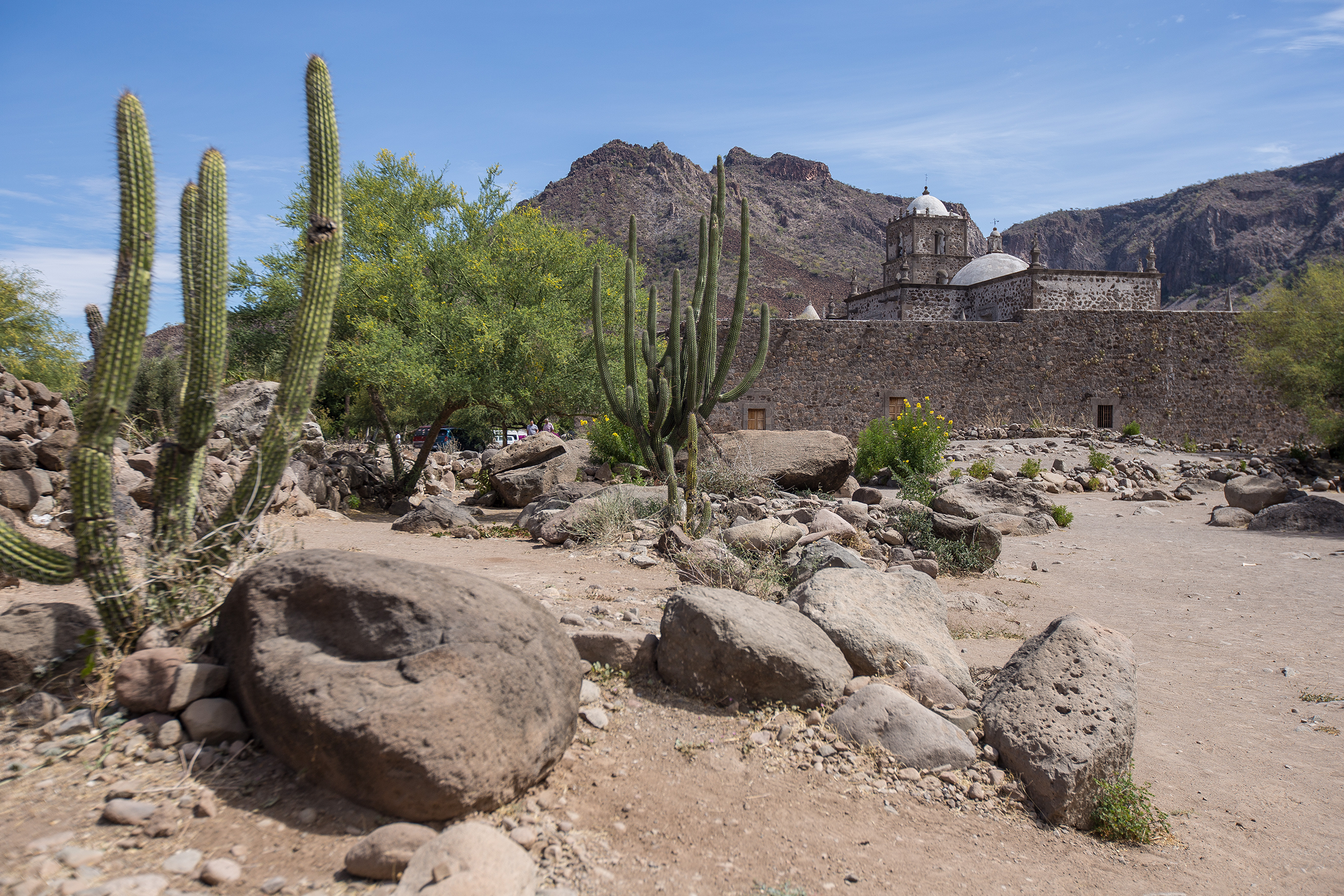
The communities and coastal landscapes of Loreto and Mulegé offer opportunities to discover local culture, regional traditions and the natural beauty of Baja California Sur. Travelers can support these destinations by choosing local guides and community-oriented experiences.
A New Chapter for Tourism in Baja California Sur
The approval of the 2026 reforms marks an important legislative milestone for Baja California Sur. By formally recognizing community and regenerative tourism, the state has established a framework that encourages a more inclusive and environmentally conscious approach to tourism development.
For travelers, this is an opportunity to explore Baja California Sur with a different perspective: not simply as a destination to enjoy, but as a place whose natural beauty, culture and communities deserve lasting care.