

The Arch: a Natural Icon of Cabo San Lucas
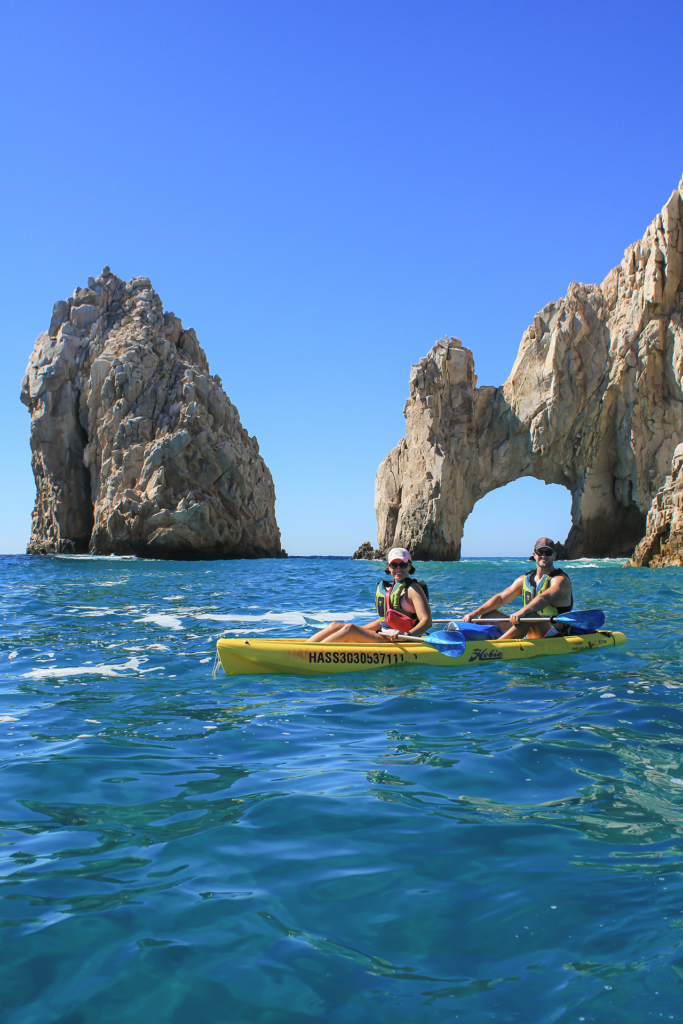
The Arch of Cabo San Lucas, known locally as “El Arco,” is one of Mexico’s most iconic natural landmarks. This impressive granite rock formation rises from the sea at the southern tip of the Baja California Peninsula, surrounded by dramatic coastal scenery and the crystal-clear waters of Cabo San Lucas. Its striking shape and unique geological features make it a must-see destination for visitors to Los Cabos.
What is The Arch of Cabo San Lucas?
Formed over millions of years through volcanic activity and erosion, The Arch represents one of Baja California’s most dramatic natural sculptures. The granite composition dates back to the Cretaceous period, with continuous wave action carving the distinctive arch shape we see today.
El Arco has become an enduring symbol of Cabo San Lucas and its close relationship with the sea. For generations, the surrounding coastline has been part of the region’s maritime life, from fishing and navigation to today’s tourism experiences. Now recognized around the world, El Arco represents the natural beauty, local identity, and coastal heritage that make Los Cabos unique.
Marine Life and Ecosystem
Diverse Wildlife Encounters. The Arch’s unique location creates a rich marine environment featuring sea lion colonies on nearby rocks, migrating whales during winter months, tropical fish in surrounding waters, and various seabirds nesting in the cliffs.
Conservation Efforts. Local organizations protect The Arch’s fragile ecosystem through controlled tour access, marine protected areas, wildlife viewing guidelines, and sustainable tourism practices.
Current Protection Status. The Arch sits within protected marine areas with strict regulations governing boat proximity limits, wildlife interaction rules, and tourist capacity controls.
How Visitors Can Help. Choose eco-certified tour operators, maintain safe distance from wildlife, use reef-safe sunscreen products, and follow “leave no trace” principles.

Historical and Cultural Significance
The Arch of Cabo San Lucas is one of the most recognizable natural landmarks in Baja California Sur and forms part of a landscape with a long and fascinating human history.
Long before European contact, the southern tip of the Baja California peninsula was inhabited by the Pericú, an Indigenous people whose traditional territory included the area around present-day Cabo San Lucas. Archaeological evidence from the region provides a record of human occupation dating back thousands of years, reflecting the long relationship between Indigenous communities and the peninsula’s coastal environment.
Cabo San Lucas later became an important landmark along the maritime routes used during the Spanish colonial period. Its location at the southern tip of the peninsula made the area a strategic point for ships traveling between the Pacific and the Gulf of California.
The region is also associated with some of the most notable episodes of piracy in the history of Baja California. In 1587, the English privateer Thomas Cavendish captured the Manila galleon Santa Ana near Cabo San Lucas. More than a century later, in 1709, the English privateer Woodes Rogers also operated in the area and captured a Spanish ship near Cabo San Lucas.
Beyond its dramatic appearance, The Arch represents the meeting of geological history, Indigenous heritage, and the maritime history of the southern Baja California peninsula. For generations of visitors, it has also become a gateway to experiencing the unique landscape and marine environment that surrounds Cabo San Lucas.
Frequently Asked Questions
Can you walk to The Arch of Cabo San Lucas?
No, The Arch is only accessible by water due to its location at land’s end. Visitors must take boats, kayaks or paddleboards to get close to it. At times, sand accumulation can temporarily change the shoreline near Divorce Beach, but it does not create a safe or permanent walking route to The Arch.
What is the best time of day to visit The Arch?
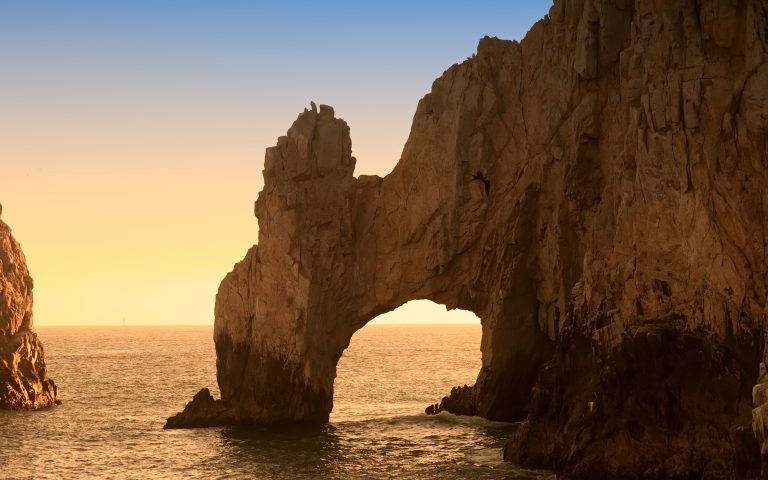
Early morning offers calm waters and soft lighting, while sunset tours provide spectacular colors and cooler temperatures.
Are there swimming opportunities near The Arch?
Yes, our tours stop at nearby beaches for swimming at Lover´s Beach and snorkeling at Pelican Rock. Though visitors should always check current conditions and follow safety guidelines.
A Lasting Symbol of Cabo San Lucas
From its ancient geological origins and diverse marine life to the Indigenous and maritime history of the region, The Arch is much more than a striking rock formation. It has become a defining symbol of Cabo San Lucas and one of the places where visitors can experience the unique relationship between Baja California Sur, its coastline, and the sea. Let us be your guidance. Book your trip with us!