
Great White Shark in Los Cabos: Complete Guide to Sightings, Season, and Conservation
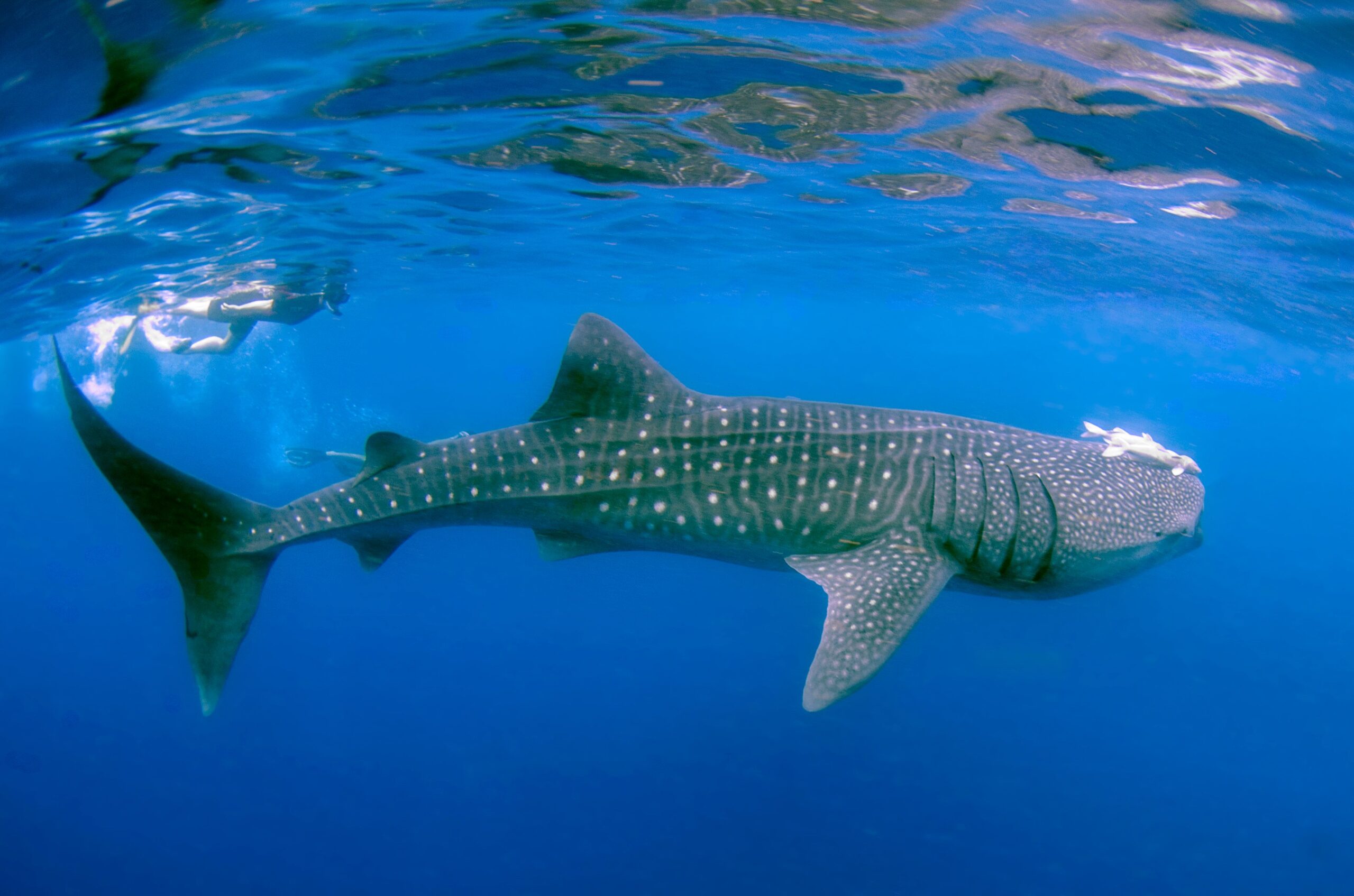
Imagine being in the crystal-clear waters of the Sea of Cortez and suddenly seeing the largest fish on the planet rise in front of you: the whale shark. Measuring up to 18 meters long and covered in a spot pattern as unique as a fingerprint, this gentle giant makes Los Cabos, Baja California Sur, one of the best destinations in the world for this experience.
In this complete guide, we’ll tell you everything you need to know about the whale shark in Los Cabos: when to see it, where to go, how to swim with it responsibly, tour prices, and fascinating scientific facts.
What Is a Whale Shark? Facts That Will Surprise You
The whale shark (Rhincodon typus) is not a whale, but a filter-feeding shark—the largest in the world. Here are some key facts:
| Feature | Fact |
|---|---|
| Scientific name | Rhincodon typus |
| Maximum size | Up to 18–20 meters |
| Weight | Up to 20 tons |
| Diet | Plankton, krill, fish eggs (filter feeder) |
| Lifespan | 70–100 years |
| Conservation status | Endangered (IUCN) |
| Skin type | Unique white spots (like a fingerprint) |
Why is it called a “whale” if it’s a shark?
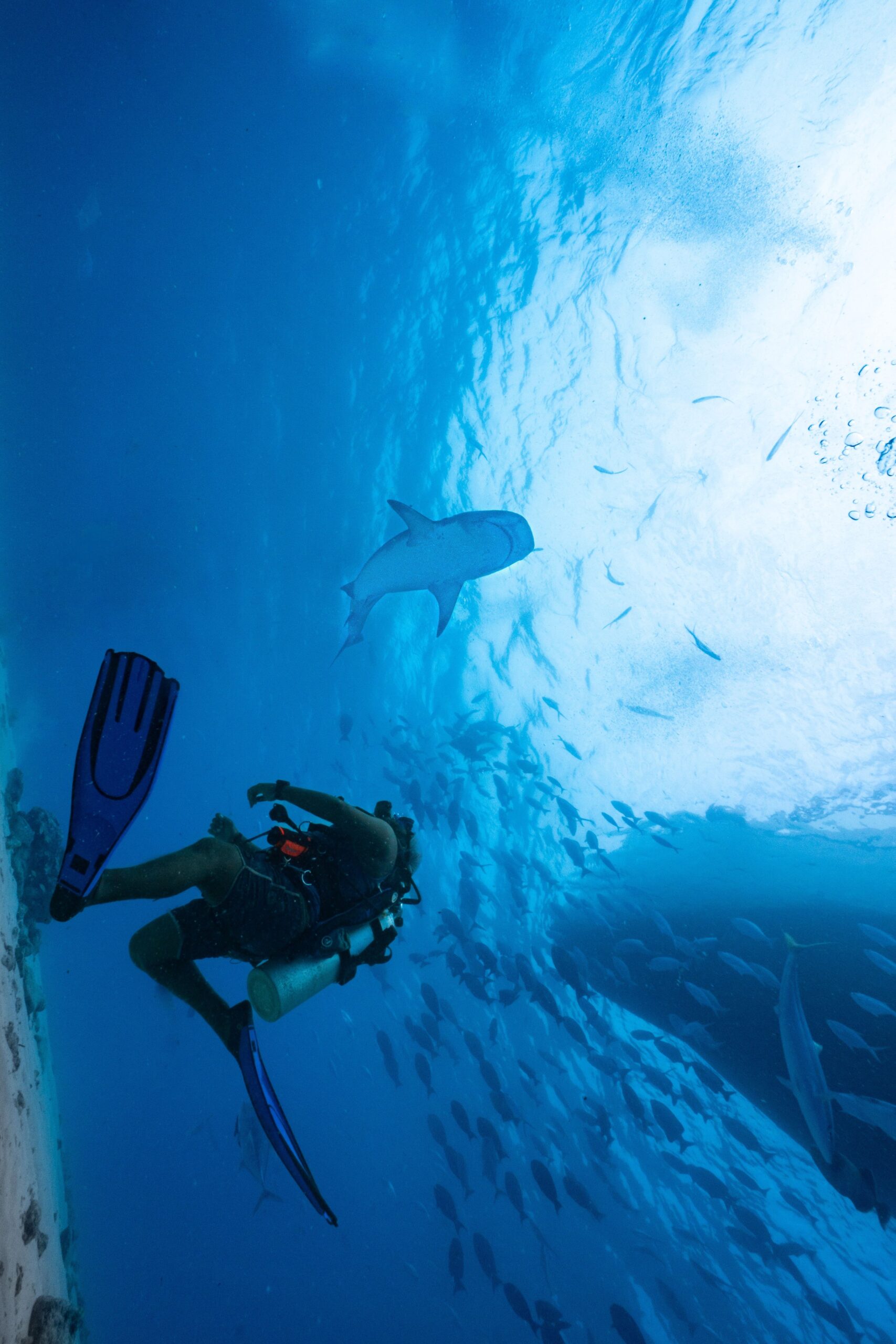
Because of its colossal size and filter-feeding behavior—similar to whales—fishermen gave it that name. But it is 100% shark: it has gills, a cartilaginous skeleton, and rough skin.
Whale Shark in Los Cabos: Why Is It a Unique Destination?
The Sea of Cortez: “The Aquarium of the World”
Jacques Cousteau called the Sea of Cortez (Gulf of California) “the aquarium of the world” because of its extraordinary biodiversity. In Los Cabos, the following converge:
Nutrient-rich waters from upwelling currents
Optimal temperatures (20–28°C) for plankton
Natural aggregation zones for whale sharks
The aggregation zone of La Paz and Cabo San Lucas
Although the whale shark is migratory, in La Paz Bay (2 hours from Los Cabos) there is one of the most important aggregation zones in the world. It is estimated that between 100 and 200 individuals visit the area annually.
Key fact: The whale shark in La Paz–Los Cabos is mainly juvenile (5–10 meters), suggesting that the bay serves as a nursery area.
When to see whale sharks in Los Cabos
| Season | Months | Sighting Probability |
|---|---|---|
| High | October – February | 90–95% |
| Medium | March – April | 70–80% |
| Low | May – September | 30–50% |
Best months: November, December, and January offer warmer waters, a higher concentration of plankton, and ideal conditions.
Factors that affect sightings
Water temperature: They prefer 21–25°C
Moon phase: New moon = more plankton = more sharks
Currents: Upwelling brings nutrients
Weather: Sunny, windless days = better visibility
Where to Swim with Whale Sharks in Los Cabos
1. La Paz Bay (the epicenter)
Although technically 2 hours from Cabo San Lucas, La Paz is the #1 destination for swimming with whale sharks. Tours depart from the La Paz waterfront (Malecón) and sail 15–30 minutes to the sighting area.
2. Cabo San Lucas (occasional sightings)
In Cabo San Lucas, whale sharks can be seen passing through, especially near El Arco and Cabo San Lucas Bay, there are specialized tours like in La Paz.
3. Cabo Pulmo (seasonal sightings)
This National Marine Park (a World Heritage Site) reports sporadic sightings between November and March.
Frequently Asked Questions (FAQ)
Is it dangerous to swim with whale sharks?
No. The whale shark is a filter feeder and docile. It does not attack humans. It only eats plankton and small fish. It is known as “the gentle giant.”
Do I need to know how to swim?
Yes, it is recommended. Although you wear a vest and fins, you should feel comfortable in the water. Some tours offer options for beginners.
Can I see whale sharks year-round in Los Cabos?
No. The best season is October to February. Outside these months, the probability drops considerably.
How long does the tour last?
Between 4 and 6 hours total (including transport from Cabo San Lucas). Time in the water with the shark is 20–30 minutes per group.
Can I bring children?
Yes, generally ages 8 and up. Check with the operator.
What if we don’t see any sharks?
Most operators offer a free second attempt or a partial refund. Ask before booking.
Conclusion: A Life-Changing Experience
Swimming with the whale shark in Los Cabos is not just a tourist activity: it is a transformative encounter with nature. Standing in front of the largest fish in the world, feeling the magnitude of its presence and the gentleness of its movement, is an experience you will never forget.
By choosing certified operators and following the regulations, you are not only living the adventure—you are contributing to the conservation of this endangered species.
Ready to live it? Book in advance (especially in December and January), choose a responsible tour, and prepare for the most impressive encounter of your life.